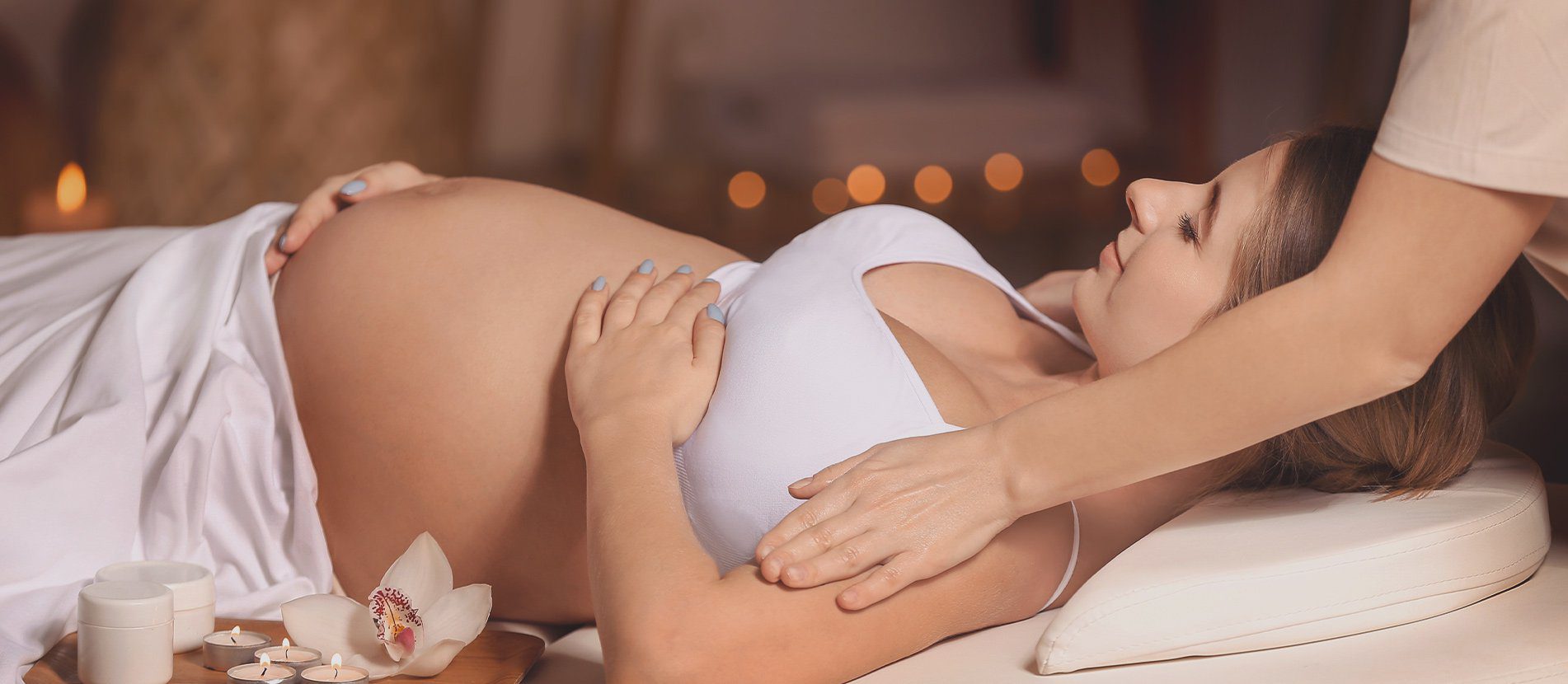
How a Relaxing Massage Can Improve Your Sleep
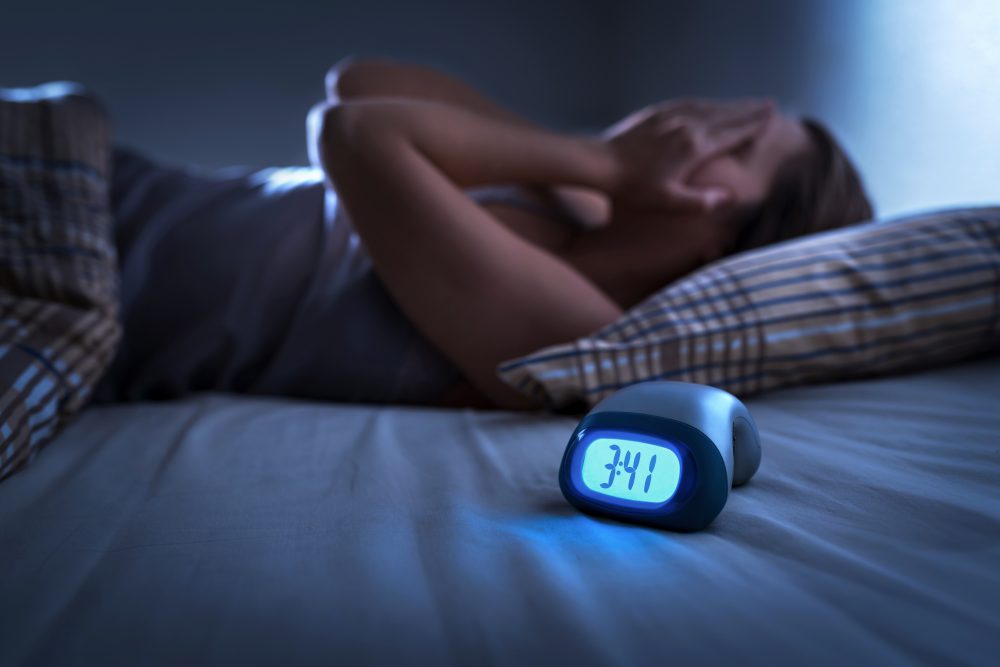
Sleep problems are a common issue in today’s society. Whether it’s difficulty falling asleep, waking up frequently during the night, or staying asleep, poor sleep quality can have a significant impact on your health and well-being. What if we told you that massage could be a natural, effective solution for sleep problems? In this blog, we’ll explore how a relaxing massage can contribute to better sleep and how you can incorporate it into your nightly routine.
Why Massage Helps with Sleep Problems
There are several reasons why massage can have a positive impact on your sleep. A massage not only helps you relax, but it also has proven effects that can specifically contribute to improving sleep quality:
- Reducing Stress and Tension One of the biggest causes of sleep problems is stress. Having a busy workday or worrying about personal matters can keep your mind active, even when you’re lying in bed. Massage helps reduce the production of the stress hormone cortisol and stimulates the release of oxytocin, the “feel-good” hormone, which promotes relaxation.
- Improving Circulation Good circulation is essential for healthy sleep. Massages promote blood flow, allowing oxygen and nutrients to reach muscles and organs more effectively, which results in an overall relaxation of the body. This can help you fall asleep faster and improve the quality of your sleep.
- Relieving Muscle Pain and Stiffness Physical discomforts like muscle pain, stiffness, or headaches can disrupt sleep. A massage can relax tense muscles, reducing physical discomfort during the night. This ensures that you sleep more comfortably and wake up less frequently due to pain.
- Improved Sleep Cycle and Deeper Sleep Massage can help promote the deep sleep phase, also known as slow-wave sleep, which is crucial for body restoration and renewal. This phase is when your body physically recovers and recharges for the next day. Regular massages can thus contribute to deeper, more restorative sleep.
Types of Massages That Help with Sleep Problems
Several types of massages can be particularly effective for people struggling with sleep issues. Here are some popular options:
- Thai Massage: This technique focuses on improving circulation, relieving muscle tension, and promoting relaxation. It’s one of the most popular massages for reducing stress and improving sleep quality.
- Aromatherapy Massage: This massage uses essential oils known for their calming effects, such as lavender or chamomile. Aromatherapy can help you fall asleep faster and sleep more soundly.
- Deep Tissue Massage: This massage targets the deeper layers of muscle tissue and can be particularly beneficial for people with chronic muscle pain or tension, which disrupts sleep.
- Shiatsu: A Japanese massage that uses pressure points on the body. It stimulates energy circulation and helps calm the nervous system, resulting in deeper sleep.
How to Incorporate Massage into Your Sleep Routine
If you want to use massage to address your sleep problems, it’s important to integrate it regularly into your routine. Here are some tips for incorporating massage into your nightly sleep regimen:
- Make Massage Part of Your Bedtime Ritual Schedule 20 to 30 minutes for a relaxing massage before going to bed every night. This not only creates a calming moment in your day but also helps train your body to transition into a relaxed state before sleep.
- Use Essential Oils Essential oils like lavender or bergamot can enhance your sleep. Use them during your massage or diffuse them in your bedroom to strengthen their calming effects.
- Self-Massage for Sleep Improvement You don’t always need to visit a professional masseuse. You can also perform a simple self-massage using a massager or by targeting specific pressure points such as the neck, shoulders, and hands, which often hold stress.
- Increase Frequency If you notice that massage improves your sleep, try to do it regularly. Three to four times a week can make a significant difference in your sleep quality.
Other Tips for Better Sleep
In addition to massage, there are other strategies you can combine with a massage to further address sleep problems:
- Maintain a consistent sleep schedule by going to bed and waking up at the same time each day.
- Avoid heavy meals, caffeine, and alcohol right before bed.
- Ensure your sleep environment is quiet and dark, free from distractions.
- Try relaxation techniques like deep breathing exercises or meditation.
Conclusion
Massage is a powerful tool for relieving sleep problems and improving the quality of your sleep. Whether you choose a professional massage or perform a relaxing session at home, it helps reduce stress, relax muscles, and promote deeper sleep. By regularly incorporating massage into your routine, you can not only sleep better but also improve your overall well-being. So, what are you waiting for? It’s time to add a relaxing massage to your evening ritual and transform your sleep!